







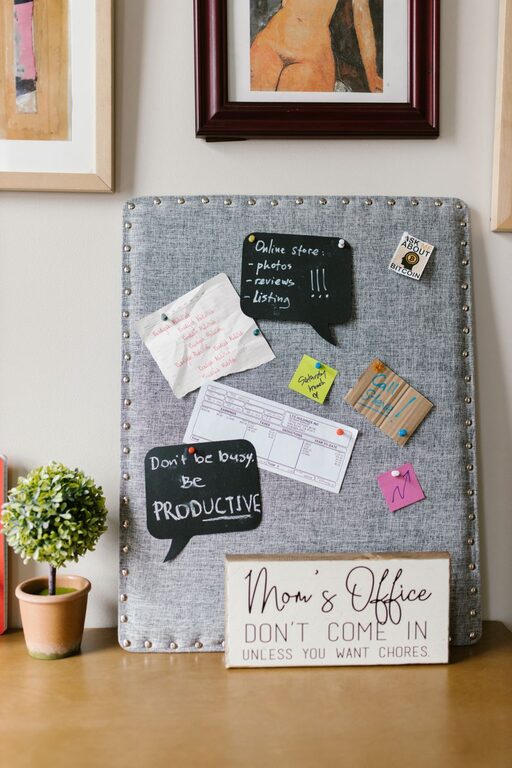
Setting up a family command center is a practical way to keep your household running smoothly. Whether your family includes kids, busy parents, or roommates, a central hub can help everyone stay on top of appointments, chores, and important reminders. In this post, we’ll guide you through the steps of creating a family command center that fits your home and your family’s unique needs.
What Is a Family Command Center?
A family command center is a designated area in your home where you organize calendars, notes, reminders, mail, and other important information. It’s often placed in a high-traffic area like the kitchen, entryway, or hallway. The goal is to create a single spot everyone can go to for staying informed and planning their day.
Benefits of a Family Command Center
– Improves communication: Everyone knows where to find schedules and important messages.
– Reduces clutter: Papers and notes have a home instead of scattered around.
– Increases productivity: Helps families plan ahead and manage time better.
– Encourages responsibility: Kids can use it to track chores or homework.
Step 1: Choose the Location
Look for a spot where everyone passes by regularly. Common places include:
– Kitchen wall near the fridge
– Entryway or mudroom
– Hallway or near the family desk
Make sure the area has enough wall space or surface space to hold necessary items.
Step 2: Gather Your Supplies
You don’t need fancy materials; many command center elements can be made from affordable supplies. Consider:
– Wall calendar or dry-erase board
– Corkboard or magnetic board
– Bins or trays for mail and papers
– Hooks for keys or bags
– Pen holder or container
– Clipboards for schedules or artwork
– Labels or chalkboard paint for organization
Step 3: Decide What to Include
Think about what your family needs to organize. Some common elements:
Calendars and Schedules
Keep all family members’ appointments, school events, and activities in one calendar. You might use:
– A large wall calendar
– A dry-erase whiteboard for easy changes
– Individual schedules on clipboards
Mail and Paperwork
Create a designated spot for incoming mail, bills to pay, permission slips, and school papers. Use baskets, file folders, or magazine holders.
Chore Charts and To-Do Lists
Assign and track chores with a chart or checklist. This encourages responsibility and helps with daily tasks.
Notes and Reminders
Use sticky notes, a corkboard, or magnetic strips to post important reminders or messages.
Keys and Essentials
Add hooks or a small shelf to keep keys, sunglasses, masks, and other grab-and-go items organized.
Step 4: Design Your Layout
Arrange your chosen supplies and elements in a way that maximizes space and makes everything easy to see and use.
– Place the calendar at eye level
– Group related items together (e.g., mail bins near the door)
– Leave space for writing or pinning notes
– Keep hooks at a convenient height for all family members
Sketch your layout before installation if it helps.
Step 5: Install Your Command Center
Hang boards, attach baskets, and mount hooks securely. Use command strips or screws depending on your wall type and weight of items.
If you’re short on wall space, consider:
– Using a large bulletin board on an easel
– Setting up a command center on a rolling cart
– Creating a tabletop command zone on a desk or countertop
Step 6: Personalize and Maintain
Make your command center inviting by adding personal touches:
– Use colorful markers, labels, or frames
– Add family photos or artwork
– Use decorative baskets or containers
Set aside time weekly to update calendars, clear out mail, and tidy up. Encourage family members to check and use the command center daily.
Tips for Success
– Keep it simple: Avoid overcrowding the space with too many items.
– Use color coding: Assign colors to each family member for calendars and chores.
– Make it accessible: Ensure kids can reach and use the command center.
– Be flexible: Adjust your system as your family’s needs change.
Conclusion
A family command center is a simple yet effective tool to bring more order and communication to your daily routine. By choosing a convenient location, gathering the right supplies, and tailoring the setup to your family’s needs, you’ll create a space everyone can use to stay organized and connected. Give it a try and enjoy the benefits of a well-managed household!