




Stretching is an excellent way to enhance your physical health, improve flexibility, and ease muscle tension — all without needing a gym or special equipment. Whether you want to prepare for a workout, recover afterward, or simply feel more relaxed, stretching at home can be a valuable part of your routine. This beginner’s guide will help you understand why stretching matters, how to get started safely, and which stretches to try.
Why Stretching Matters
Stretching helps maintain the length and elasticity of muscles, allowing your body to move more freely. Regular stretching can:
– Increase flexibility and range of motion
– Improve posture and balance
– Reduce muscle stiffness and soreness
– Help prevent injuries
– Relieve stress and promote relaxation
When done correctly, stretching can support both physical and mental well-being.
Preparing to Stretch at Home
Before you begin stretching, it’s important to create a safe and comfortable environment:
– Choose a quiet space with enough room to move freely.
– Wear comfortable clothing that allows you to stretch easily.
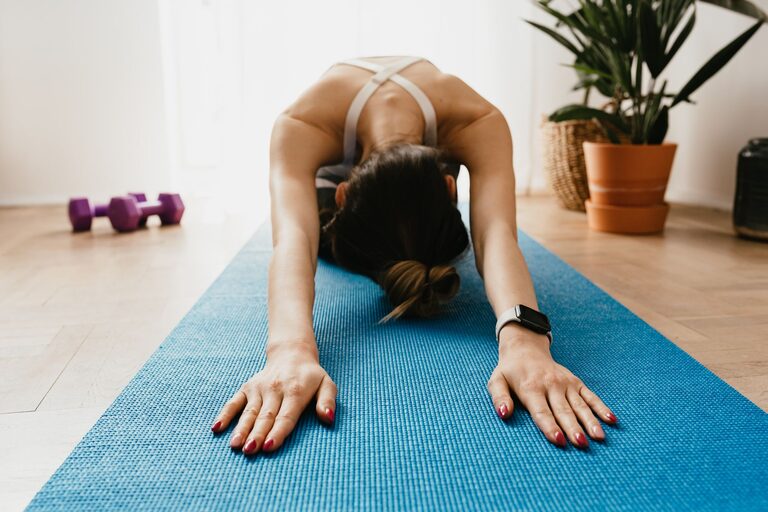
– Use a yoga mat or soft surface to protect your joints.
– Warm up your body with a light activity like walking or marching in place for 3–5 minutes. Stretching cold muscles can cause injury.
General Stretching Tips for Beginners
– Hold each stretch for 15–30 seconds. Avoid bouncing or jerking movements.
– Breathe deeply and steadily while holding a stretch; don’t hold your breath.
– Stretch both sides of your body evenly to maintain balance.
– Listen to your body and never stretch to the point of pain; mild discomfort is okay.
– Consistency is key. Aim to stretch at least 3 times per week for optimal results.
Simple Stretches to Try at Home
Here are some beginner-friendly stretches focusing on major muscle groups:
1. Neck Stretch
– Sit or stand comfortably with your back straight.
– Slowly tilt your head to one side, bringing your ear toward your shoulder.
– Hold for 20 seconds, feeling a gentle stretch along the side of your neck.
– Repeat on the other side.
2. Shoulder Stretch
– Extend your right arm straight across your chest.
– Use your left hand to gently press your right arm closer to your chest.
– Hold for 20–30 seconds, then switch sides.
3. Chest Opener
– Clasp your hands behind your back.
– Straighten your arms and gently lift your hands while opening up your chest.
– Keep your shoulders down and hold for 20 seconds.
4. Cat-Cow Stretch (Spine Mobility)
– Start on your hands and knees (tabletop position).
– Inhale: Arch your back, lifting your tailbone and chest (cow pose).
– Exhale: Round your spine towards the ceiling, tucking your chin and tailbone (cat pose).
– Repeat slowly 5–8 times.
5. Seated Forward Fold
– Sit on the floor with your legs extended straight forward.
– Inhale and lengthen your spine.
– Exhale and gently reach toward your toes, keeping your back straight.
– Hold for 20–30 seconds. Bend your knees slightly if needed.
6. Hip Flexor Stretch
– Kneel on your right knee with your left foot flat on the floor in front (lunge position).
– Shift your weight forward slightly, feeling a stretch at the front of your right hip.
– Hold for 20–30 seconds, then switch sides.
7. Hamstring Stretch
– Lie on your back and lift one leg straight up.
– Hold behind your thigh or calf (avoid pulling on the knee) and gently straighten your leg.
– Hold for 20 seconds, then switch legs.
Creating Your Stretching Routine
Start with 5–10 minutes of stretching and gradually increase as you become more comfortable. A simple routine could look like this:
- Warm-up (3 minutes walking or marching)
- Neck stretch (2 minutes)
- Shoulder stretch (2 minutes)
- Cat-Cow (2 minutes)
- Seated forward fold (2 minutes)
- Hip flexor stretch (2 minutes)
- Hamstring stretch (2 minutes)
- Cool down with deep breathing
You can adjust the routine depending on your focus areas or specific needs. For example, add more lower body stretches if you sit for long periods, or focus on upper body stretches if you work at a computer.
Tips for Staying Motivated
– Stretch at the same time each day to build a habit.
– Use online videos or apps with guided sessions.
– Combine stretching with other activities like walking, yoga, or light strength training.
– Track your progress in flexibility to see improvements.
– Remember that any progress, even small, contributes to your wellbeing.
When to Avoid Stretching or Use Caution
Stretching is generally safe but avoid it if you:
– Have an injury or acute pain — consult a healthcare professional.
– Feel sharp or intense pain when stretching.
– Have certain medical conditions — check with your doctor first.
Always prioritize safety and modify stretches as needed.
Final Thoughts
Stretching at home is an easy, accessible way to support your health and vitality. With consistent practice, you’ll notice improved flexibility, less muscle tension, and a calmer mind. Use this beginner’s guide to build your own routine and enjoy the many benefits stretching offers — no special equipment required!
Happy stretching!