







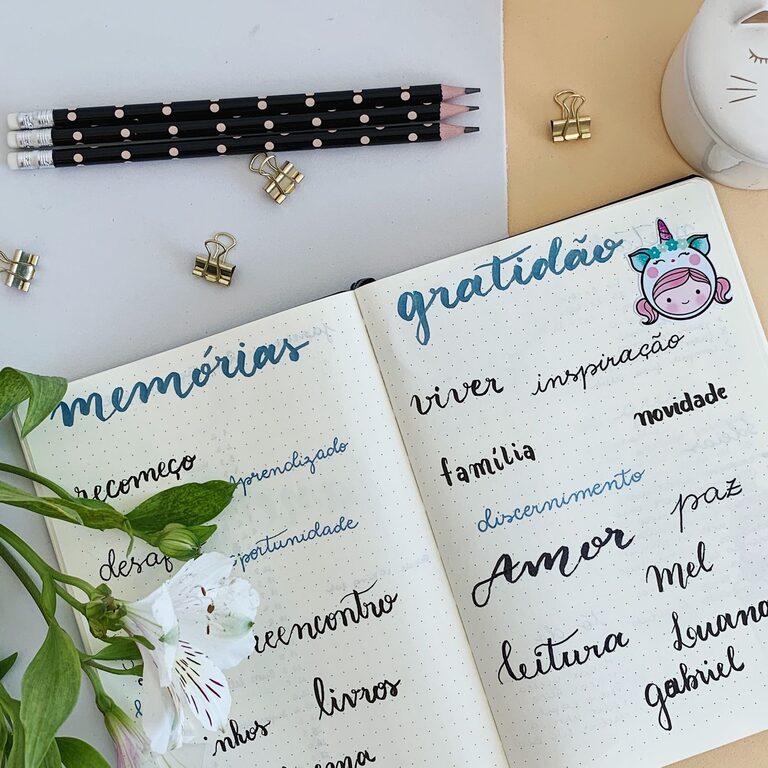
Keeping a gratitude journal is a simple yet powerful way to improve your mood, increase mindfulness, and cultivate a more positive outlook on life. By regularly writing down what you’re thankful for, you can shift your focus from stress and worries to appreciation and joy. If you’re new to gratitude journaling or unsure how to start, this guide will walk you through everything you need to know to begin your own practice.
What Is a Gratitude Journal?
A gratitude journal is a personal notebook or digital document where you record things you are grateful for each day. Unlike a regular diary, which might focus on events or feelings, a gratitude journal centers on recognizing and appreciating positive aspects of your life. These can be big moments or small details — anything that brings you a sense of thankfulness.
Benefits of Keeping a Gratitude Journal
Writing in a gratitude journal regularly can bring many benefits, including:
– Improved mental health: Gratitude journaling has been shown to reduce feelings of anxiety and depression.
– Better sleep: Reflecting on positive thoughts before bed may help calm your mind and promote restfulness.
– Increased resilience: Gratitude can help you cope better with challenges and setbacks.
– Enhanced relationships: Appreciating the people around you often strengthens connections.
– Greater happiness: Focusing on good things naturally boosts your overall mood.
Choosing Your Journal
Before you begin, choose a format that feels comfortable and enjoyable. Here are some options:
– Traditional notebook: A simple lined or blank journal where you can write freely.
– Digital journal: Apps or note-taking software on your phone or computer for easy access.
– Gratitude journal prompts: Pre-designed books with daily or weekly prompts to guide your writing.
Pick whatever will encourage you to make journaling a regular habit.
How to Start Your Gratitude Journal: Step-by-Step
1. Set Aside Time Daily
Consistency is key. Aim to write in your journal at the same time each day. Many people find it helpful to journal either in the morning to start the day positively or at night to reflect before sleep. Even 5 to 10 minutes is enough to get started.
2. Begin with Simple Entries
Start by listing three to five things you’re grateful for each day. These can be:
– A warm cup of coffee
– A kind word from a friend
– A sunny afternoon walk
Try to be specific. Instead of “I’m grateful for my family,” you might write “I’m grateful for my sister who called to check on me today.”
3. Use Prompts When Needed
Sometimes it’s hard to know what to write. Here are some prompts to inspire you:
– What made me smile today?
– Who is someone I appreciate, and why?
– What is something good that happened recently?
– What is a simple pleasure that I enjoyed?
– What personal strength helped me today?
4. Reflect on the Why
Don’t just list items; take a moment to reflect on why you feel grateful. This deepens your appreciation and helps create a stronger emotional connection.
5. Include Positive Experiences or Lessons
If you faced a challenge, try to find a positive takeaway or lesson learned. This encourages resilience and balanced thinking.
6. Keep It Personal and Positive
Your gratitude journal is for you alone, so write honestly and kindly. Avoid turning it into a complaint list or a place for negative thoughts.
Tips to Maintain Your Gratitude Journal Habit
– Keep your journal visible: Place it somewhere you will see it daily as a reminder.
– Set a reminder: Use an alarm or calendar notification to prompt you.
– Make it enjoyable: Use colorful pens, stickers, or add drawings if you like.
– Share selectively: If you want, share your gratitude practice with a close friend for accountability.
– Be patient: Some days may feel easier than others; that’s normal. Keep going without judgement.
Ideas to Expand Your Gratitude Practice
– Gratitude jar: Write thankful thoughts on slips of paper and collect them in a jar.
– Gratitude walk: Take a mindful walk while noting things you appreciate in nature.
– Thank-you notes: Write notes or messages to people you’re grateful for.
– Photo journal: Capture moments or things you’re thankful for with pictures.
Final Thoughts
Starting a gratitude journal doesn’t require special skills or a lot of time—just a willingness to notice and celebrate the positive in your life. Over time, this simple habit can lead to meaningful improvements in your happiness and overall well-being. Give it a try, and enjoy the many benefits that come with a grateful heart.
Remember, the goal is not perfection but progress. Happy journaling!